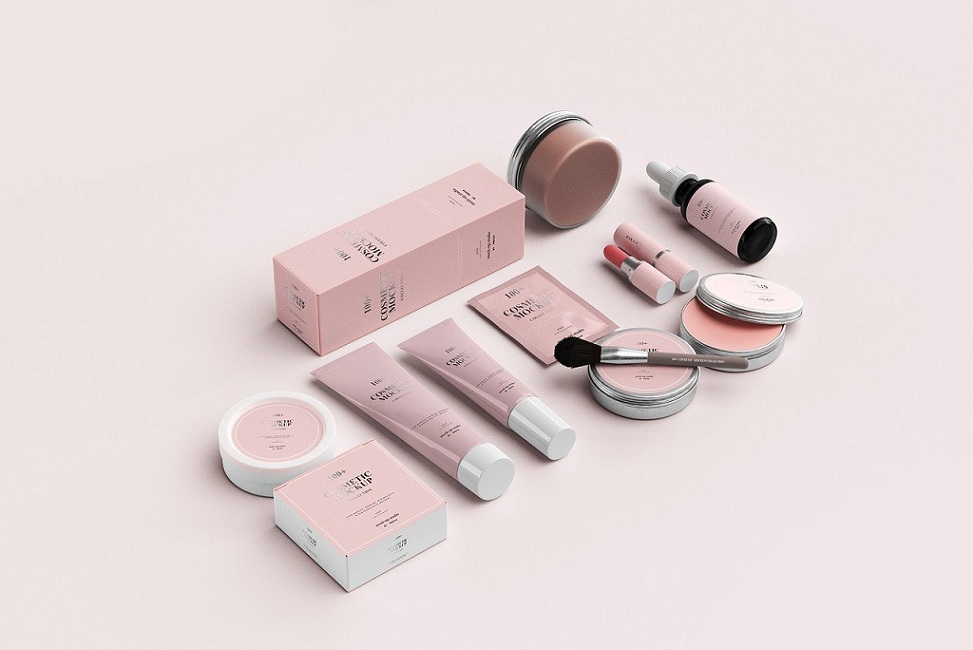
You have probably found the aisles of skincare products filled with rows of products that claim to give you radiant skin. Embracing the truth that beauty is for men too allows modern brands to promote minimalist skincare routines that focus on high-quality essentials for healthy skin. There are serums, toners, masks, oils, and creams all vying to get your attention. It is possible to get the feeling that the only thing that can help you take care of your skin is to create a complicated routine. The reality is not so complex. Less is usually better in the case of your skin. Minimalist skincare is the concept of using fewer products that work and using them regularly.
Why Simplicity Works For Your Skin
Your skin is your guard. It has already learnt to control itself. The more you pack it with a lot of ingredients, the more you expose it to irritation. Most severe reactions are usually due to layering several products that are incompatible. You minimize that risk by reducing your routine.
The simplification would also facilitate the identification of what is beneficial and what is not. When you have only a limited number of products, it is obvious which of them could be drying you out or causing pimples. Such clarity is difficult to achieve when your bathroom shelf resembles a small shop.
Read: What Features to Look for in a Smartwatch?
The Three Pillars Of A Minimalist Routine

A pared-down routine does not mean neglect. It means focusing on the essentials. There are three steps that matter most:
1. Cleanser
Your skin collects dirt, sweat, and oils throughout the day. A gentle cleanser removes them without stripping away natural moisture. Harsh cleansers leave your skin tight and uncomfortable. A mild formula keeps your skin balanced and ready for the next step.
2. Moisturizer
Moisture is non-negotiable. Even if your skin is oily, it still needs hydration. A good moisturizer supports your skin barrier. It keeps your skin soft, reduces redness, and prevents that dull look. The right one absorbs quickly and does not leave a heavy film. If you have dry skin, look for the best moisturizer that has long-lasting hydrating properties.
3. Sunscreen
Daily sun protection is the most powerful skincare habit. It protects against premature aging and lowers the risk of skin damage. A lightweight sunscreen is easy to wear every day. It is the single step that makes the biggest difference over time.
These three steps cover what your skin truly needs. Everything else is optional.
The Myth Of More Products
Skincare marketing often sells the idea that more is better. Ten-step routines became popular because they sound luxurious. They also keep you buying more bottles and jars. The problem is that most skin types do not need that many layers.
Adding extra products without a clear reason can backfire. For example, multiple active ingredients may clash and irritate your skin. A vitamin C serum paired with a strong exfoliant can cause redness. Minimalism protects you from this kind of overload.
When To Add More
Minimalist skincare is not about strict rules. It is about starting with less and only adding when you have a specific reason. If you have a concern like acne, uneven tone, or fine lines, a targeted product can help. But that product should serve a clear purpose. Fueling your body with healthy breakfast ideas like antioxidant-rich berries complements a minimalist skincare routine by promoting a natural glow from the inside out.
The key is to add slowly. Try one new product at a time and give it a few weeks. This way, you know if it works for you. If your skin stays healthy with only the basics, you may not need anything else.
The Benefits Beyond Skin
Minimalist skincare does more than protect your skin. It also saves you time. Your morning and night routines become quick and stress-free. Instead of juggling bottles, you can focus on consistency.
It saves money as well. Buying fewer products means you can invest in higher quality for the essentials. A good sunscreen or moisturizer lasts longer than chasing every new trend.
Minimalism also cuts down on waste. Fewer products mean less packaging thrown away. That is good for your bathroom space and better for the environment.
How To Build Your Own Minimalist Routine

Start by clearing out what you do not use. Keep only the products that serve a real purpose. Then build around the three essentials: cleanser, moisturizer, and sunscreen.
Choose gentle, fragrance-free formulas if you have sensitive skin. If your skin is oily, pick lighter textures. If it is dry, go for richer creams. Match your choices to how your skin feels, not to what is popular online.
If you are curious about trying an extra product, think about your main concern. Add one product to address it, then wait. See how your skin reacts before making any other changes.
Common Mistakes To Avoid
- Switching too often
Constantly changing products does not give your skin time to adjust. Stick with a product for a few weeks before judging results.
- Skipping sunscreen
Even if you do not see sun damage right away, your skin remembers every exposure. Sunscreen is not optional.
- Over-cleansing
Washing your face too many times a day can strip your skin. Twice a day is usually enough.
- Believing more means better
If you already have healthy skin with three products, resist the urge to add more just because it is trending.
Why Consistency Beats Complexity
Skin thrives on routine. A simple ritual done daily gives you more results than a long list of products you use once in a while. Think of it as a steady investment. You do not need drama or constant change. You need patience and commitment. You can also get in touch with an expert dermatologist to get the right minimal skincare for your skin. Securing the best self employed health insurance allows entrepreneurs to invest their savings into high-quality essentials for minimalist skincare, ensuring both financial and physical health.
Minimalist skincare works because it honors the natural design of your skin. It does not fight against it. When you simplify, you give your skin the space to restore itself.
Final Thoughts
Minimalist skincare is not about cutting corners. It is about choosing with intention. By focusing on what matters, you gain clarity, save time, and avoid the trap of overdoing it. Your skin is resilient, and it often asks for less than you think.
When you commit to a few well-chosen steps, you create a routine that lasts. It is not about following trends. It is about listening to your skin and giving it what it truly needs.
Author’s Bio:
Disha Sharma is an experienced content writer with a proven track record at Skinerva Clinic. Her work spans various subjects, demonstrating her versatility and ability to adapt her writing style to different audiences.